


Discover essential practices for family safety and effective supervision near water.
Learn how to protect your family from the hidden dangers of rip currents with practical safety tips. Enhance your beach day experience with informed supervision.
TL;DR
-
Stick to patrolled beaches - Swimming between the red and yellow flags is the single most effective way to reduce rip current risk for your family.
-
Learn to spot rips - Look for calm, darker water where waves aren't breaking. That "safe-looking" channel is often the danger zone.
-
Assign a dedicated watcher - 80% of rip current drownings happen with others present. "Someone's watching" isn't a system. Rotate explicit shifts.
-
Teach the escape strategy - Float, stay calm, swim parallel to shore. Rehearse this at home until it's automatic for your kids.
-
Never attempt a solo rescue - Over 15% of rip current deaths are would-be rescuers. Throw something that floats, yell for help, call 000, and stay on shore.
The Hidden Danger Lurking in Every Beach Day
You can see the waves. You can hear the kids laughing. You've got sunscreen applied, snacks packed, and the perfect spot staked out. Everything looks safe.
But here's what most families don't realise: 407 people drowned due to rip currents at Australian beaches between 2004 and 2023. These invisible channels of fast-moving water don't announce themselves. They don't look dangerous. And tragically, 80% of these drowning deaths occurred while others were present, often family members watching from shore.
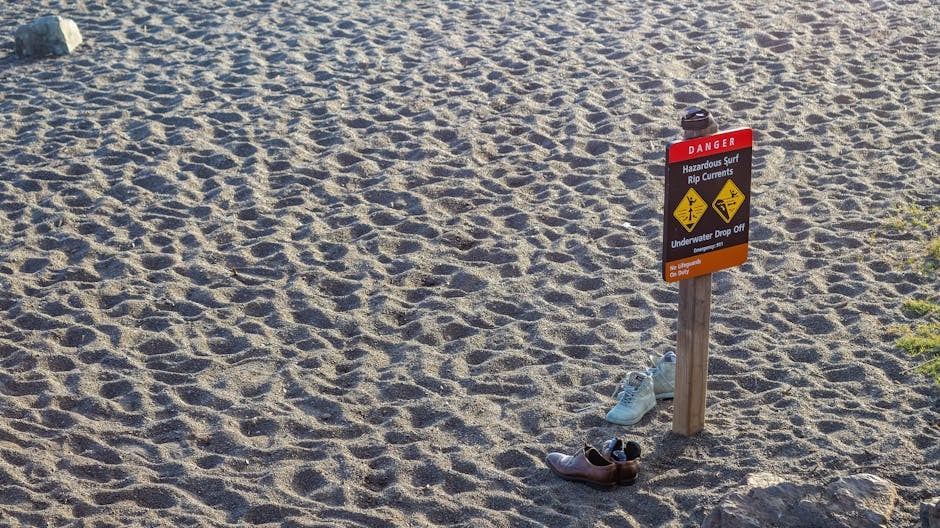
Rip currents safety isn't about fear. It's about understanding what you're actually dealing with when you step onto the sand with your kids. The good news? A few practical shifts in how you approach beach days can dramatically reduce your family's risk while keeping the relaxed vibe intact.
What This Guide Covers (And What It Doesn't)
This isn't a comprehensive lifeguard training manual. You won't find complex rescue techniques here, because attempting rescues without proper training is itself a major risk factor (more on that shortly).
Instead, we're focusing on the preventive practices that keep Australian families safe before anyone gets into trouble. These tips are designed for parents managing beach days with kids, balancing supervision near water with actually enjoying your time at the shore. If you're looking for ways to make beach outings both safer and less stressful, you're in the right place.
How We Selected These Safety Practices
Each tip addresses a documented risk factor from recent research, particularly the 2025 UNSW Sydney and Surf Life Saving Australia study on rip current drownings. We prioritised practices that are actionable for everyday beach goers, don't require specialised equipment, and work within the realities of managing kids, gear, and limited energy.
1. Swim Between the Red and Yellow Flags (Always)

Why It Matters
Patrolled areas aren't randomly chosen. Lifeguards assess conditions daily and position flags where rip currents are least likely to form. Unpatrolled beaches account for a disproportionate number of drowning incidents, yet families often choose them for their quieter atmosphere.
What It Looks Like Today
Surf Life Saving Australia operates over 300 patrolled beaches during summer seasons. The Beachsafe app shows real-time patrol status, hazard warnings, and current conditions for beaches across the country. No more guessing whether that quiet stretch is actually safe.
How to Apply It
Before you load up the car, check Beachsafe for your intended beach. If it's unpatrolled, find an alternative. Yes, even if it means a slightly longer drive. Arrive during patrol hours (typically 9am to 5pm on weekends during summer) and set up your base within clear sight of the flags.
2. Learn to Spot a Rip Current Before You Get In

Why It Matters
Rip currents don't look like the dramatic whirlpools you might imagine. They often appear calmer than surrounding water, which is exactly why swimmers unknowingly enter them. That "nice calm channel" between breaking waves? That's frequently a rip.
What It Looks Like Today
Modern rip currents safety education focuses on visual identification. Look for darker, deeper-looking water. Notice areas where waves aren't breaking. Watch for foam, seaweed, or debris moving steadily out to sea. These signs become obvious once you know what you're looking for.
How to Apply It
Spend five minutes watching the water before anyone swims. Stand at a slight elevation if possible. Point out the rip indicators to your kids, turning it into a game. "Can you spot where the water looks different?" This builds their awareness while reinforcing your own.
3. Establish a "Swim Zone" System With Your Kids
Why It Matters
Supervision near water fails when expectations aren't clear. Kids drift. They follow friends. They chase waves. Without defined boundaries, you're constantly scanning an expanding area while trying to relax. That mental load exhausts you and increases the chance something gets missed.
What It Looks Like Today
Effective family beach safety uses visual markers and explicit rules. Rather than vague instructions like "don't go too far," families designate specific landmarks (the blue umbrella, that rock, the lifeguard tower) as boundaries.
How to Apply It
Walk the boundary with your kids before they swim. Point to specific markers. Make the rule concrete: "You can swim between that flag and our chairs. If you can't see our chairs, you've gone too far." For younger children, waist-deep water maximum. Check in every 15 minutes, not just when something seems wrong.
4. Assign a Dedicated Water Watcher (And Rotate)
Why It Matters
Here's a sobering statistic: 80% of rip current drowning deaths in Australia occurred with others present. Being "at the beach" isn't the same as actively watching. Conversations, phones, books, and the general relaxation of beach mode all reduce vigilance. Safe swimming practices require someone whose only job is watching.
What It Looks Like Today
Pool safety has normalised the "designated watcher" concept. Beach families are now adopting similar approaches, with adults taking explicit shifts where their sole responsibility is monitoring swimmers.
How to Apply It
Use a physical token (a bright hat, a specific chair) to indicate who's currently on watch. Rotate every 20 to 30 minutes. The watcher doesn't read, doesn't scroll, doesn't chat. When you're on, you're on. When you're off, you actually get to relax. This structure prevents the dangerous assumption that "someone" is watching.
5. Know the Rip Escape Strategy (And Teach It)
Why It Matters
Panic drowns people. When caught in a rip current, the instinctive response (swimming directly back to shore) exhausts swimmers fighting against water moving at speeds up to 8 km/h. Even strong swimmers can't win that battle. But a calm swimmer who knows the escape strategy can survive.
What It Looks Like Today
The current guidance from Surf Life Saving Australia emphasises staying calm, floating to conserve energy, and swimming parallel to the beach until you're out of the current. Rips are typically narrow, 10 to 30 metres wide, so you don't need to swim far.
How to Apply It
Practice the conversation at home, not just at the beach. "If the water starts pulling you out, don't fight it. Float. Raise your hand. Swim sideways, not towards the beach." Rehearse it until it's automatic. For younger kids, the message is simpler: "Float and wave. We'll get help."
6. Never Attempt a Solo Rescue
Why It Matters
This one's hard to hear, but it could save your life. More than 15% of rip current drowning deaths in Australia were bystanders attempting rescues, often family members. The instinct to save your child is overwhelming. But an untrained rescue attempt in a rip current frequently results in two drownings instead of one.
What It Looks Like Today
UNSW researchers now specifically recommend developing "safety advice focused on bystander rescue scenarios." The evidence is clear: grabbing a flotation device and calling for help saves more lives than jumping in.
How to Apply It
Keep something that floats near your setup (a boogie board, an esky lid, even a pool noodle). If someone's in trouble, throw the flotation device, yell for lifeguards, call 000. Stay on shore and keep visual contact. This isn't cowardice. It's the strategy that actually works.
7. Check Conditions Before and During Your Visit
Why It Matters
Rip currents aren't constant. They form and shift based on tide, swell, and sandbars. A beach that was safe at 10am can develop dangerous rips by 2pm. 85% of rip current drowning deaths were men, and research suggests overconfidence in familiar conditions contributes to this disparity.
What It Looks Like Today
Real-time hazard information is now accessible to everyone. Beachsafe provides current ratings, and lifeguards update conditions throughout the day. Flags may move. Warnings may change. Conditions you checked this morning might not reflect the afternoon reality.
How to Apply It
Check conditions before you leave home. Check again when you arrive. If you're staying all day, check the board near the lifeguard station after lunch. If conditions have deteriorated, adjust your plans. A shorter swim in safe conditions beats a longer swim in risky ones.
The Pattern Across These Practices
Notice what connects these tips: they're all about preparation and prevention, not reaction. They acknowledge that beach days involve competing demands on your attention and build safety into the structure of your outing rather than relying on constant vigilance.
They also recognise a difficult truth: being present isn't enough. The data shows that most drownings happen with others nearby. Active systems (designated watchers, defined boundaries, pre-taught escape strategies) outperform passive presence every time.
Finally, they respect your limits. You're not a lifeguard. You can't watch every second. But you can choose patrolled beaches, teach your kids what rips look like, and resist the dangerous urge to attempt rescues you're not trained for.
Where to Start
You don't need to implement everything at once. If you're looking for the highest-impact changes:
-
Start with location. Commit to patrolled beaches only. This single choice dramatically reduces risk.
-
Add the watch rotation. Formalise who's watching when. It sounds simple, but it transforms supervision from assumption to system.
-
Teach the escape strategy. One conversation, rehearsed until automatic, could save a life.
The rest can layer in over time. Safe swimming practices aren't about perfection. They're about stacking small advantages until the odds are firmly in your family's favour.
Your beach days should be about connection, relaxation, and making memories. A little preparation means you can actually enjoy them, knowing you've done the practical work to keep everyone safe.
Frequently Asked Questions
What are the essential beach safety tips for kids?
The fundamentals include swimming only at patrolled beaches between the red and yellow flags, establishing clear boundaries for how far children can go, ensuring constant adult supervision with a designated watcher, and teaching kids to float and wave if they get into trouble. Sunscreen, hydration, and shade matter too, but water safety is the priority that prevents the most serious incidents.
How can parents teach their kids about rip currents and water safety?
Start at home, not at the beach. Use videos or diagrams to show what rip currents look like (calm, darker water between breaking waves). Practice the response: "Float, stay calm, wave for help, swim sideways." At the beach, spend a few minutes watching the water together and pointing out any visible rips. Make it a regular conversation, not a one-time lecture.
Which signs should parents look for to identify potential dangers at the beach?
Watch for darker, deeper-looking channels of water, areas where waves aren't breaking, foam or debris moving steadily seaward, and discoloured or murky water. Also note any warning signs posted by lifeguards, changes in flag positions, and whether the beach is currently patrolled. If something looks off, trust your instincts and keep everyone out of the water until you've checked with lifeguards.
Why is it important for children to wear sunscreen at the beach?
Australian UV levels are among the highest in the world, and childhood sunburns significantly increase lifetime skin cancer risk. Beyond long-term health, sunburn also causes immediate discomfort that can cut beach days short and make kids miserable. Apply sunscreen 20 minutes before sun exposure and reapply every two hours, or immediately after swimming.
How can parents ensure their children stay hydrated while at the beach?
Kids often don't recognise thirst when they're distracted by play. Bring more water than you think you'll need and offer drinks regularly, not just when kids ask. Freeze water bottles overnight so they stay cold longer. Watch for signs of dehydration: irritability, tiredness, dark urine, or complaints of headache. Salty snacks can help replace electrolytes lost through sweat.
When should sunscreen be applied to children before going to the beach?
Apply sunscreen 20 minutes before heading outside to allow it to bind to the skin properly. This means putting it on at home before you leave, not in the car park. Use a broad-spectrum SPF 50+ sunscreen and don't forget easily missed spots: ears, back of neck, tops of feet, and the part in their hair.